
Fire service jobs UK
Explore fire service jobs in the UK, including roles, salaries, and career paths.
Written by the CareerPilot AI expert team — UK career advisors and ATS specialists helping thousands of British professionals land their next role.
Explore Exciting Fire Service Jobs Across the UK in 2026
In the UK, fire service jobs are more important than ever, with over 35,000 professionals working across fire and rescue services nationwide according to ONS data. The role of a firefighter goes beyond just extinguishing fires; it includes responding to emergencies, engaging in community education, and ensuring public safety. In 2026, increased urbanisation and climate change have amplified the need for skilled fire and rescue professionals, making this a critical and rewarding career path.
This comprehensive guide will walk you through everything you need to know about fire service jobs in the UK. You'll learn about the types of roles available, the skills and qualifications required, and how to begin your career in this vital public service sector.
Why Fire service jobs UK Matters for UK Professionals in 2026

Fire service jobs in the UK are vital for maintaining public safety and managing emergencies. According to the CIPD, the demand for skilled firefighters and control room operators is projected to grow, driven by factors like urban expansion and the increasing complexity of emergency situations. UK professionals in this field play a crucial role in community safety and resilience, making it a respected and essential career.
The Current UK Landscape
The UK fire service landscape is evolving, with a focus on technological innovation and community engagement. Salaries for firefighters vary, with London roles offering higher pay due to living costs. Regional differences exist, with some areas experiencing higher demand for fire and rescue services.
What UK Employers Actually Expect
Employers in the UK fire service sector look for candidates with strong problem-solving skills, physical fitness, and the ability to work under pressure. Experience in emergency services or related fields is often advantageous, and employers value diversity and community-focused attitudes.
Step-by-Step Guide for UK Professionals
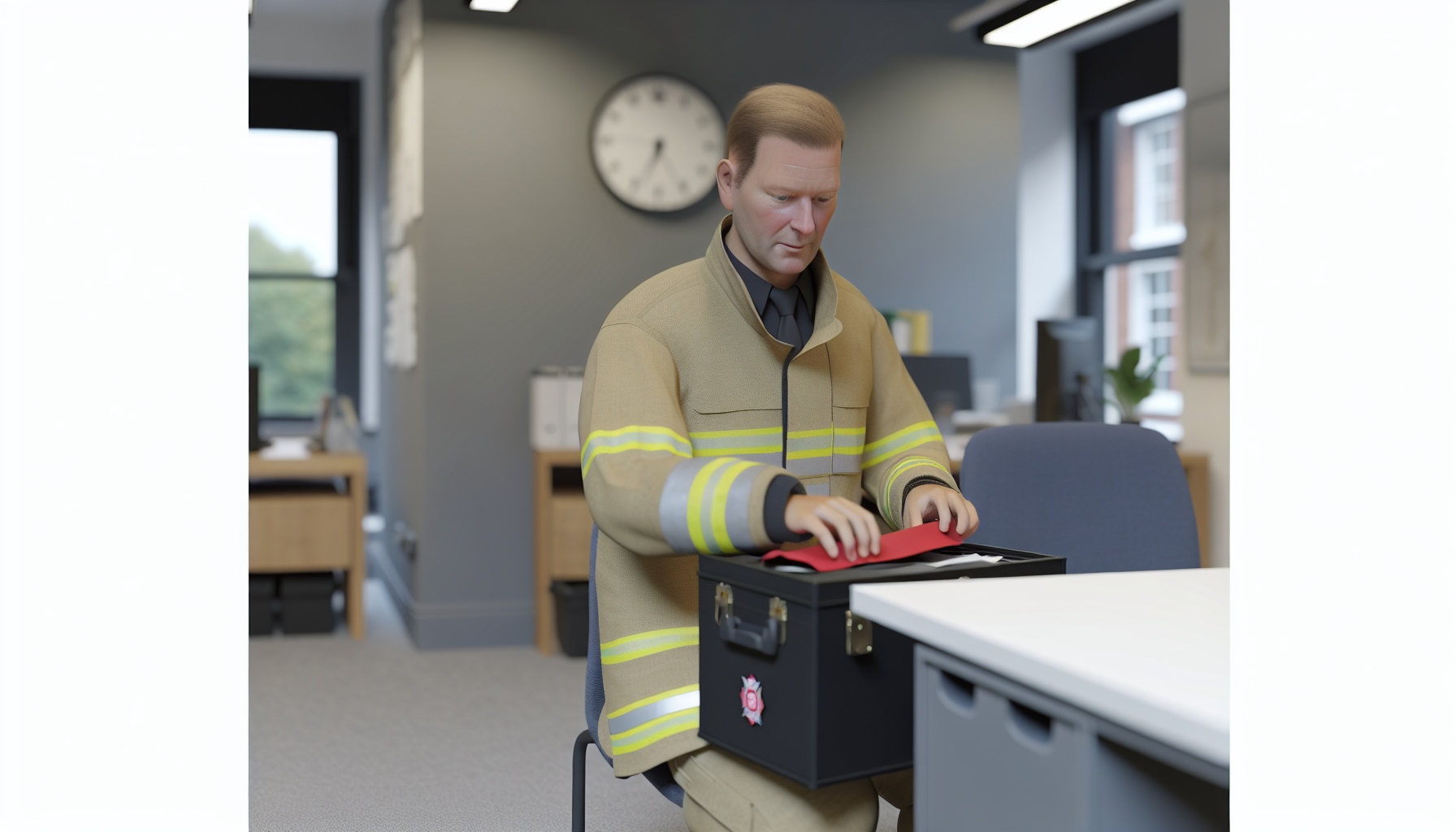
Step 1: Research and Understand the Role
The first step for aspiring UK firefighters is to research the role thoroughly. Understand the day-to-day responsibilities, which include responding to emergencies, conducting fire safety inspections, and engaging with the community. Use resources like the National Careers Service for detailed job descriptions.
Step 2: Meet the Basic Requirements
Ensure you meet the basic requirements such as age, education, and physical fitness. Most services require applicants to be at least 18, hold a valid driving licence, and have GCSEs in English and Maths. Prepare for physical tests that assess strength, stamina, and agility.
Step 3: Prepare Your Application
Craft a strong application by highlighting relevant skills and experiences. Tailor your CV and cover letter to showcase your commitment to public service and ability to work in high-pressure environments. Use tools like CareerPilot’s ATS CV checker to optimise your application materials.
Step 4: Ace the Interview Process
Prepare for interviews by practising common questions and scenarios. Focus on your ability to remain calm and effective during emergencies. Demonstrating strong communication skills and a team-oriented mindset can set you apart from other candidates.

UK Legal and Regulatory Context
🚀 Ready to transform your UK job search?
Try CareerPilot's free or — built specifically for the UK market.
In the UK, fire service jobs are subject to employment laws and regulations outlined by ACAS and the Equality Act 2010. The law ensures fair treatment and equality in hiring practices, and candidates should be aware of their rights regarding non-discrimination and workplace safety.
Regional Differences Across the UK
Fire service roles can vary significantly across regions. London offers higher salaries but also higher living costs, while areas like Manchester and Scotland may offer different work-life balances and community engagement opportunities, with varying salary bands.
Industry-Specific Considerations
Professionals in the fire service sector must be aware of industry-specific considerations, such as the impact of technological advancements and the integration of digital tools in emergency response strategies. This applies across various sectors, including NHS and civil services.
Common Mistakes UK Professionals Make
Mistake 1: Underestimating Physical Fitness Requirements
Many applicants underestimate the physical demands of the role, leading to unsuccessful applications. It's crucial to prepare thoroughly for the physical tests by engaging in regular fitness routines that build strength and endurance.
Mistake 2: Poor Understanding of the Role
Some applicants don't fully grasp the range of responsibilities associated with fire service roles. This can be remedied by researching the role and speaking to current professionals to get a clearer picture of day-to-day duties.
Mistake 3: Ineffective Communication Skills
Strong communication is essential in the fire service, yet some candidates fail to demonstrate this during interviews. Practise clear and concise communication, focusing on teamwork and leadership experiences to improve your candidacy.
Expert Insights from UK Recruiters
UK recruiters emphasise the importance of a strong work ethic and community involvement for fire service roles. Candidates who participate in volunteer work or have a history of public service tend to stand out in the recruitment process, showcasing their commitment and reliability.
What Separates Top Candidates in 2026
Top candidates in 2026 demonstrate adaptability, technological proficiency, and a deep understanding of community needs. They leverage digital tools and continuous learning to enhance their effectiveness in the field, positioning themselves as leaders in the evolving landscape of UK fire services.
Frequently Asked Questions
Most common questions UK professionals ask about this topic
Take Action: Use CareerPilot's AI Tools
As you embark on your journey into the UK fire service, remember these key takeaways: thoroughly research the role, prepare for physical and mental challenges, and leverage your unique skills. CareerPilot offers tools like the AI CV optimiser to help you succeed. Visit mycareerpilot.co.uk to start your career transformation today.
🚀 Ready to transform your UK job search?
Try CareerPilot's free or — built specifically for the UK market.